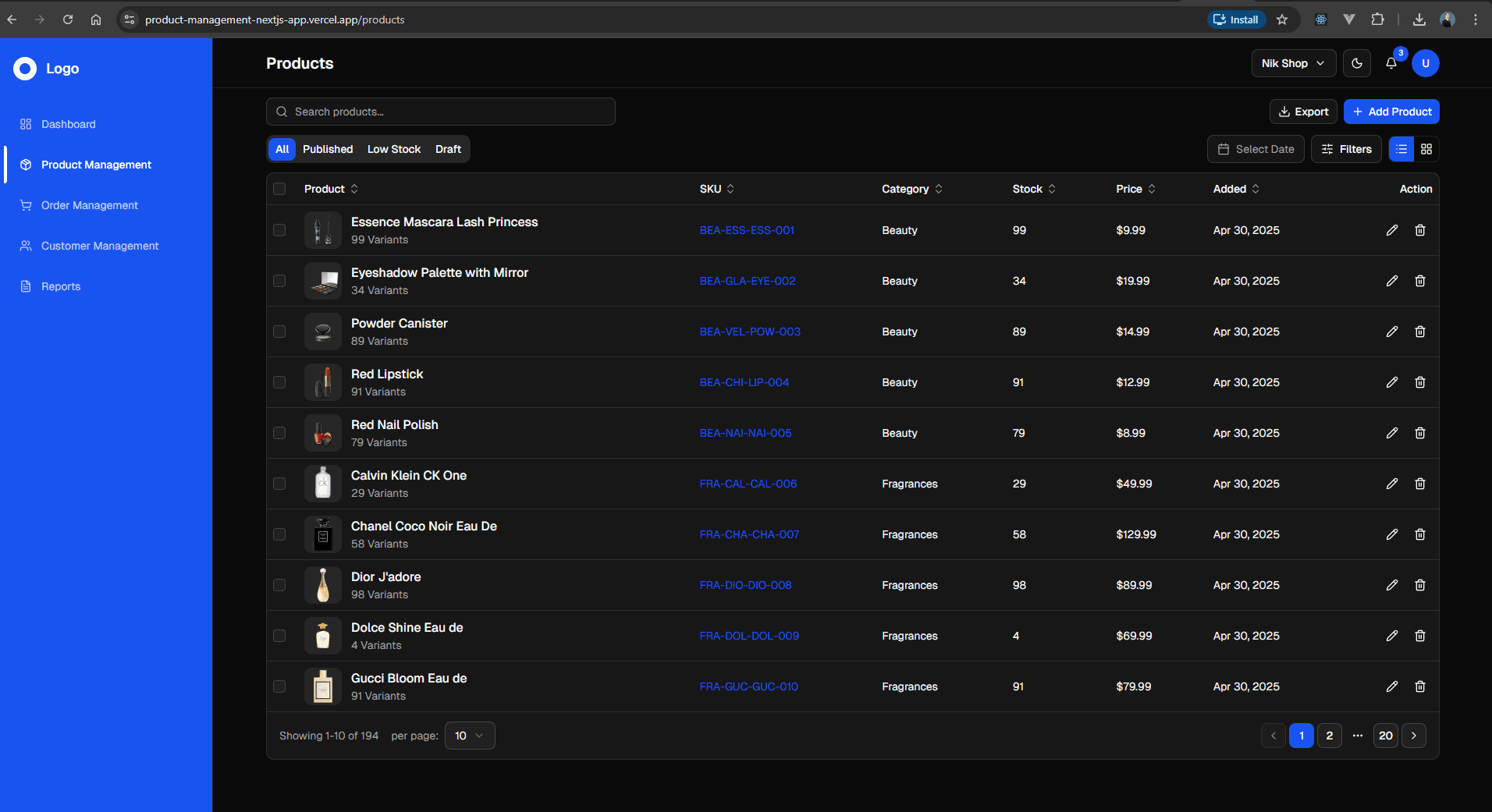
Overview
Highlights
- H3 geospatial indexing: used hexagonal cells for fast polygon aggregation, enabling dynamic zoom-level analytics without precomputing every boundary.
- Role-based access control: architected the Next.js app with RBAC and secure session management so different stakeholders saw only the data they were allowed to.
- Spatial analytics workflows: built visualization and aggregation flows that rendered property data dynamically by geographic zones, usable by analysts to compare regions.
Technologies
- Frontend: Next.js 15 (App Router), TypeScript
- Data layer: Drizzle ORM, PostgreSQL
- Auth: Better Auth with secure session management
- Maps & geospatial: Mapbox, MapLibre, H3-JS
Security & best practices
- Least-privilege RBAC: every page and API route gated by role; authorization enforced server-side, not just by hiding UI controls.
- Secure session management: sessions managed with standard secure cookie practices; no tokens exposed to client-side JavaScript.
- Parameterized queries: all database queries used parameterized inputs — no string interpolation into SQL.
- Input validation: all user-supplied parameters validated server-side before reaching the data layer.
- Secrets hygiene: credentials and API keys kept in environment variables, never committed to source control.
- Code review discipline: every change reviewed with focus on auth boundaries, query safety, and data handling before merging.